

I bought my Oura Ring mainly because I wanted to understand my sleep better.
I was already interested in wearables, HRV and recovery through my background in Sports Science, and a ring felt much easier to sleep with than something around my wrist. I wanted to see whether having more data would add something to what I could already feel and observe myself.
It did.
After harder workouts, I could sometimes clearly see the response in my HRV. During one particularly stressful travel day, I watched my physiological stress climb through the day. Oura also made me pay more attention to my chronotype, my sleep timing and roughly how much sleep seemed to work best for me.
A lot of this wasn’t completely new. I knew that training creates stress, that recovery matters and that a difficult day can follow you into the night. But seeing those relationships in my own data made them much more tangible.
I wasn’t just reading about recovery anymore. I could see mine.
And once you have collected enough of that information, the question starts to change.
Okay. What should I actually do with it?
What I actually do
Three ways I use my Oura data
Look for patterns, not single scores
One low readiness score does not tell me much on its own. If I trained hard, travelled, slept at an unusual time or had a stressful day, a drop in HRV or readiness can make perfect sense.
What interests me more is what keeps repeating. One unusual night is information. A pattern across several nights is something worth investigating.
Connect the number to what happened before it
The score is usually the end of the story, not the beginning. So I look backward at the previous day: training load, stress, travel, bedtime, alcohol, late food, illness, a hard workday, a very different schedule.
The useful question becomes less “why is my score bad?” and more “what changed?”
Change one thing, then watch what happens
This is where the wearable becomes most useful. Rather than changing five habits at once, I change one meaningful variable, keep it reasonably consistent, and see what happens. Sleep timing, training load, caffeine timing, evening habits.
Then Oura becomes feedback, not a judge. The point is not perfect scores. It is learning what reliably changes how you function.
That is the loop I find most useful: observe, change something, watch the response, learn.
From data to day
The useful part starts after the score
Turning data into something useful meant letting it change what I actually did. I started organising my day around when I focus best, balancing harder training with recovery, and building a clearer transition between work and the evening.
Sleep also stopped being something I only thought about at bedtime. It became one result of how the rest of the day was organised.
The wearable gave me information. I still had to build something with it.
In short
THE RING CAN SHOW YOU THE PATTERN.
The routine is what you build from it.
The advice problem
My routine should probably not become yours
This is where I think a lot of wellness advice becomes less useful.
I can show you the routine that works for me. Someone else can share the evening routine that transformed their sleep. An athlete can explain exactly how they train and recover. All of it can be useful inspiration, but none of it tells you what matters most for you.
You may have a different chronotype from mine. You may have children waking you during the night, start work at 6 a.m., work shifts or travel every week. You may already sleep eight hours but still wake up exhausted. You may train six times a week, or barely have enough time to move at all.
Your life creates a different starting point.
The catch
SAME ADVICE ≠ SAME PRIORITY.
That is why I became less interested in finding the perfect routine and more interested in finding the right first change.
Once that becomes clearer, your wearable can take on a much more useful role: giving you feedback on what happens when you actually change something.
Fifteen years of tracking
A little context about me
I’m Fabien Combe, a Sports Scientist, and I’ve been using wearables and tracking tools for around 15 years. It started around sport and performance, with tools such as Runtastic, Garmin and Strava, then expanded into looking much more closely at sleep, HRV, stress and recovery with tools such as Oura.
Alongside that, I spent years working with athletes and professionals, and running workshops on recovery, stress and how daily habits affect the way we function. Wearables came up in those conversations more and more often.
I remember one participant proudly showing me the tan line underneath his tracker during a workshop. The outline was almost perfect. He clearly wore it almost all the time. It made me think about something I had already started questioning in my own use of Oura: where is the balance?
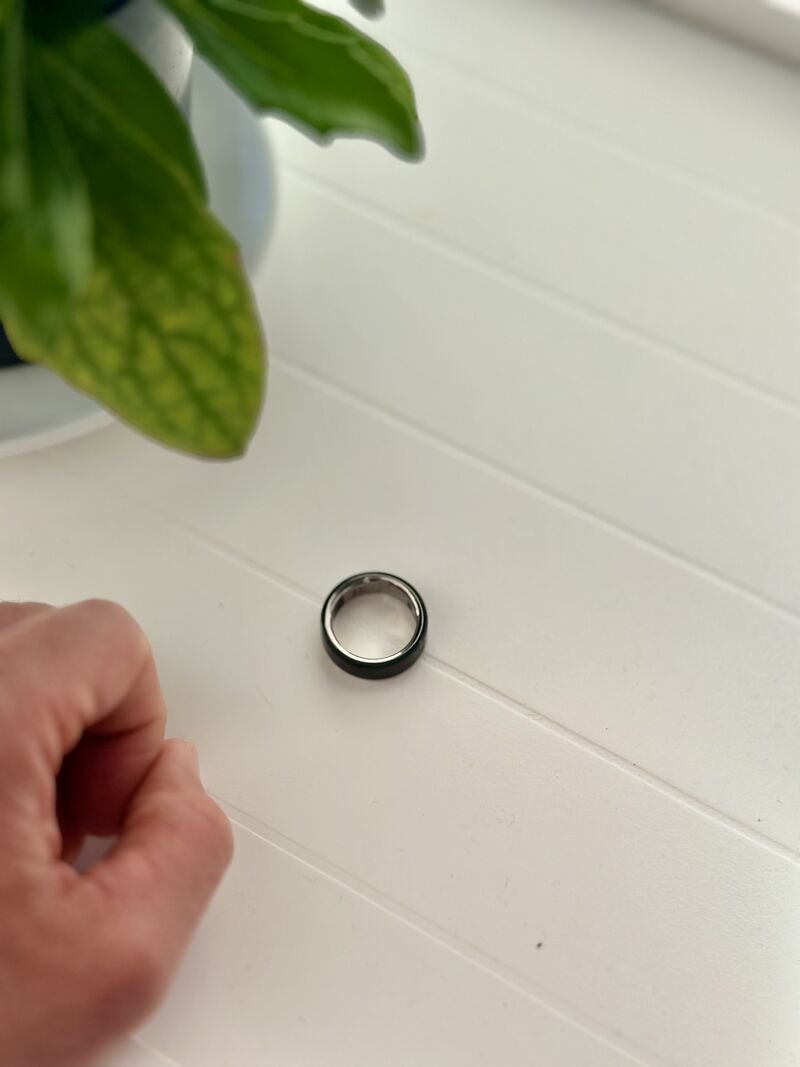
Wearables become more useful when we collect enough consistent data. But I also want that data to help me understand myself better, not become the only way I know how I feel.
That is why I sometimes take my Oura off for a few days, or simply check how I feel before opening the app. Ideally, the longer I use a wearable, the better I should become at recognising those patterns myself.
The technology gives me another perspective. It doesn’t need to replace my own.
Working with people, the questions are often surprisingly similar.
“My HRV is down. What should I change?”
“My sleep score looks okay. Why am I still exhausted?”
“My readiness is low. Should I still train?”
The number is rarely the difficult part. Context is.
The gap
This is where BYOR came from
By 2024, I kept seeing the same gap.
People had more information than ever. Many already had an Oura Ring, WHOOP, Apple Watch or years of data from other wearables. Some knew their numbers extremely well.
What they often still wanted was a clearer idea of what to do next.
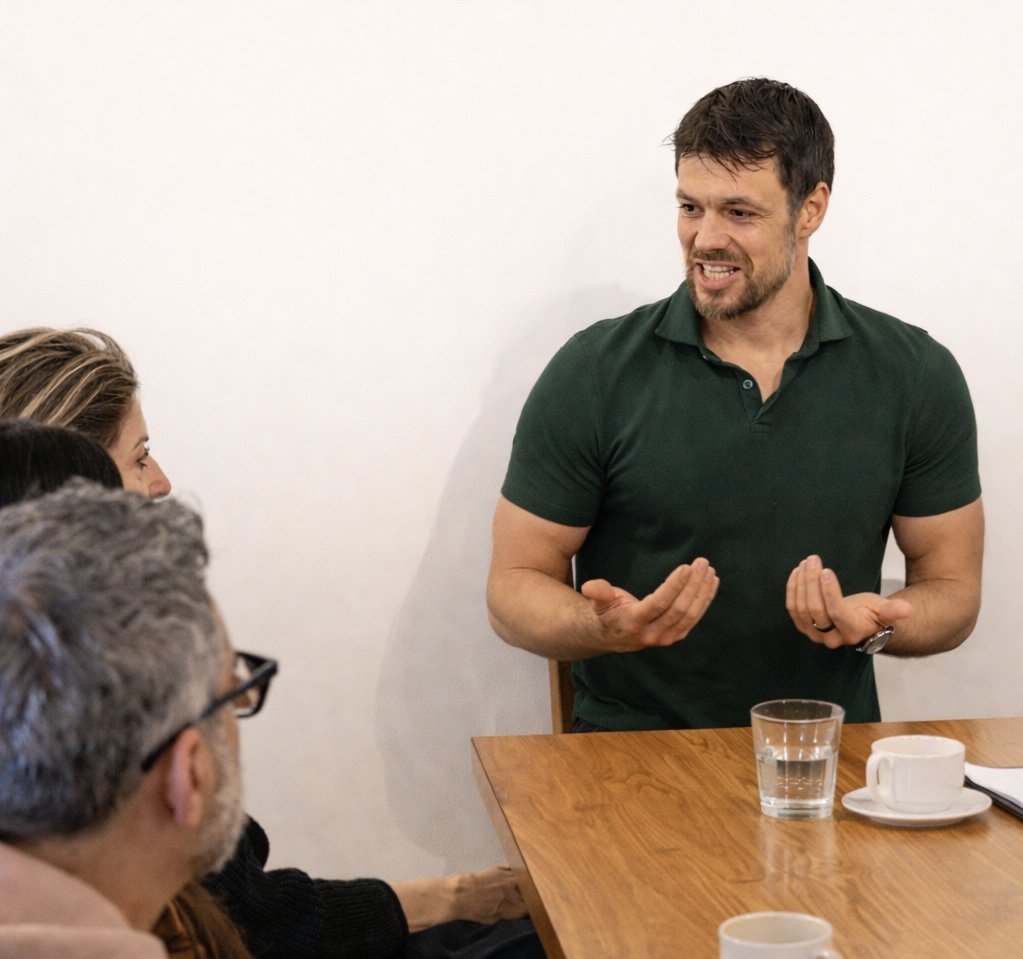
That became a big part of why I created BYOR, Build Your Own Routine.
I didn’t want to create another universal morning routine, sleep protocol or list of habits everyone should follow. The starting point had to be the individual.
How is that person actually functioning today? Where is their system doing well, and where is it struggling? What is happening in their real routine, not in an ideal week where they have unlimited time and no responsibilities?
Wearable data can be a useful part of that picture, but it is only one part.
The goal is to understand your starting point, identify what deserves attention first and turn that into something practical enough to actually implement.
Making it personal
An article can only take this so far.
An article can explain how I think about the data. What it cannot know is what your actual week looks like.
Someone with poor recovery but an otherwise stable routine probably needs a different starting point from someone sleeping reasonably well yet running in a highly activated state all day. The same applies to focus, energy, work schedule, training and stress.
That is why I built the BYOR System Check. It asks a small number of questions about how you are currently sleeping, recovering, handling stress and functioning through the day.
The goal is not to produce another score to chase. It is to help identify which area deserves attention first.
It takes about two minutes and it is free.